Watch live: Felix Baumgartner to jump from 120,000 feet in Red Bull Stratos project to break speed of sound in freefall

As part of the Red Bull Stratos project, record-breaking BASE jumper Felix Baumgartner is currently in a capsule heading up towards 120,000 feet, where he will then freefall from space and become the first human to break the speed of sound without assistance. After numerous weather-based delays, the capsule launched at around 16:30 BST today and so far all seems to be going to plan, and you can watch along live with us below.

[youtube http://www.youtube.com/watch?v=MrIxH6DToXQ]

Source Red Bull Stratos


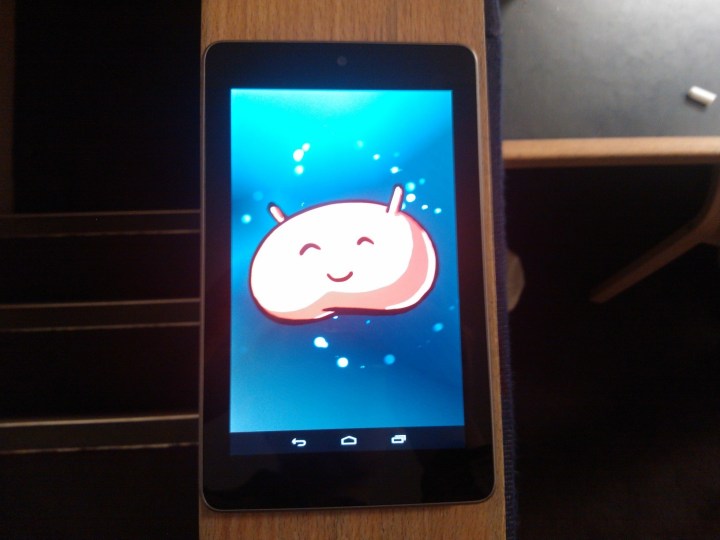
Android 4.1.2 begins to roll out to Nexus 7 tablets

A minor update to Android 4.1 has begun to roll out to owners of Google’s Asus-built Nexus 7 tablet, with unspecified bug fixes and a much-desired landscape mode for the launcher as its main features. An Australian EE Times reader has received the 31.3MB update and while we have yet to see the update come through to our device, the update push is expected to continue across the globe throughout the day and it is recommended that you furiously check for updates throughout the night.

Via The Verge
Source EE Times

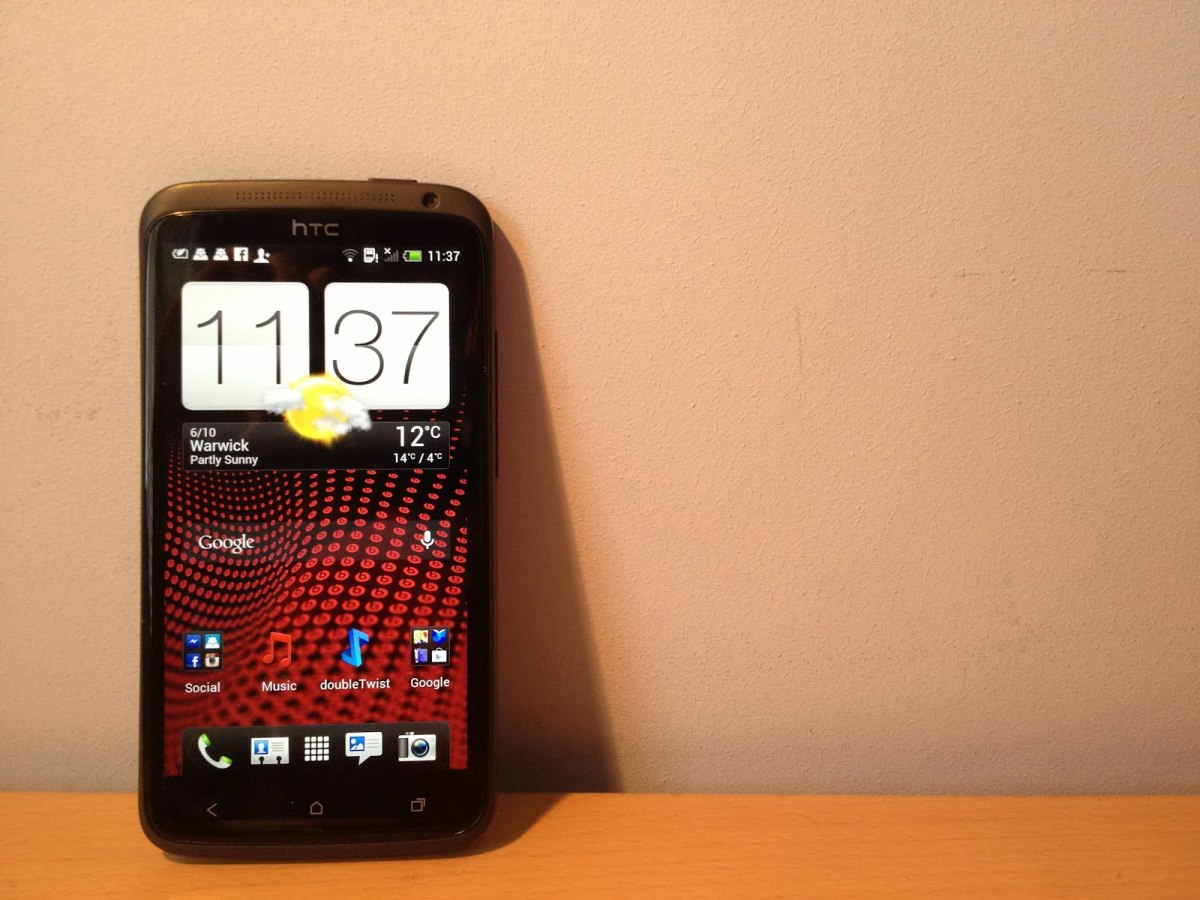
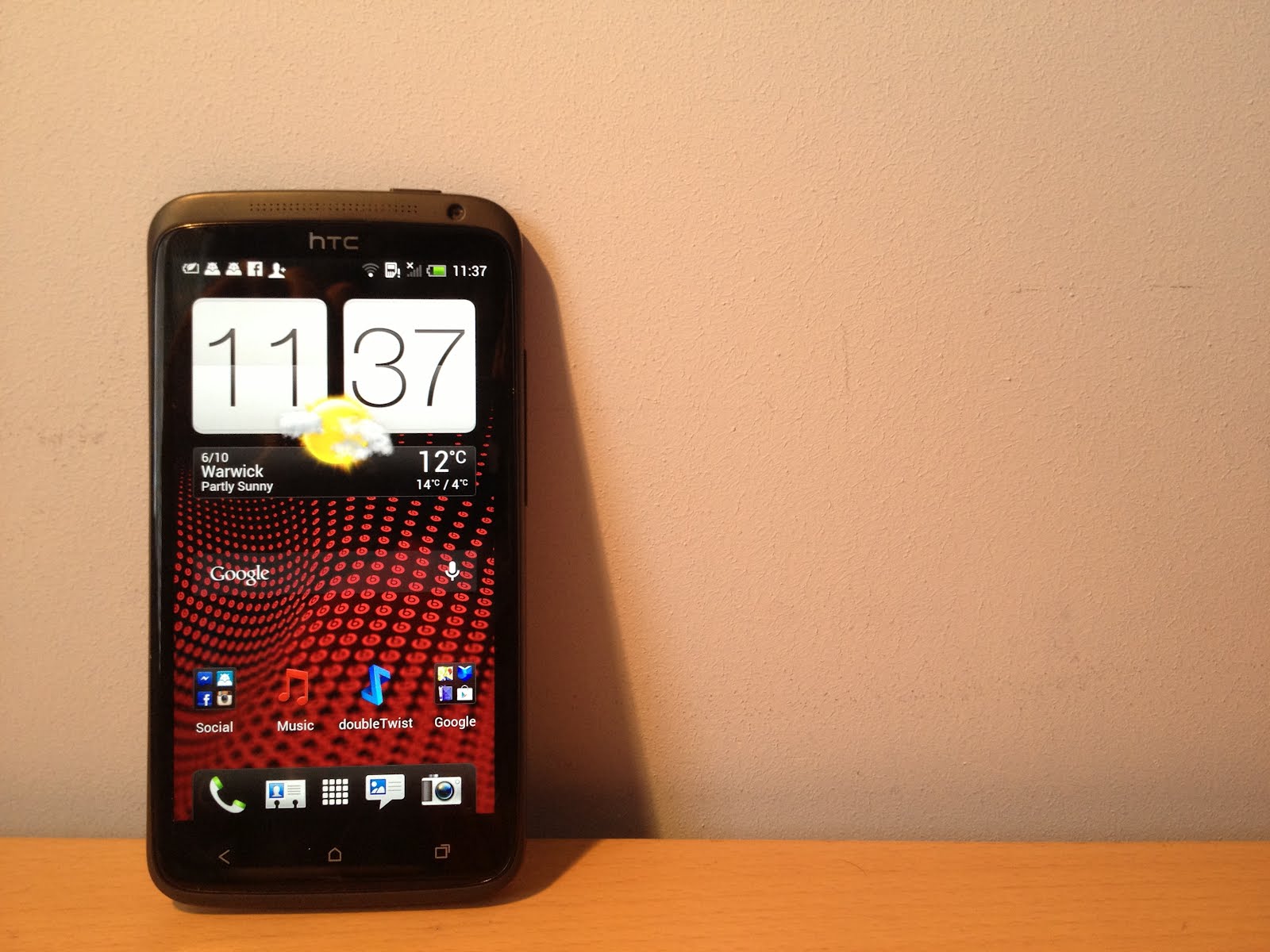
HTC Sense 4+ review

This summer I reviewed the HTC One X, a phone that came preloaded with Android 4.0.1 and HTC’s comparatively lighter but nevertheless bloated Sense 4 skin. You might recall I went on a bit of a rant about it, with the problem being that it lagged. A new operating system on a top of the line phone should not be stuttering on the homescreen. Now, to coincide with the release of the One X+, HTC has come up with an answer. The new Sense 4+ skin is layered on top of that buttery Android 4.1 goodness, also known as Jelly Bean, but does it fix the inherent problems its predecessor had? Read on to find out.

The Good

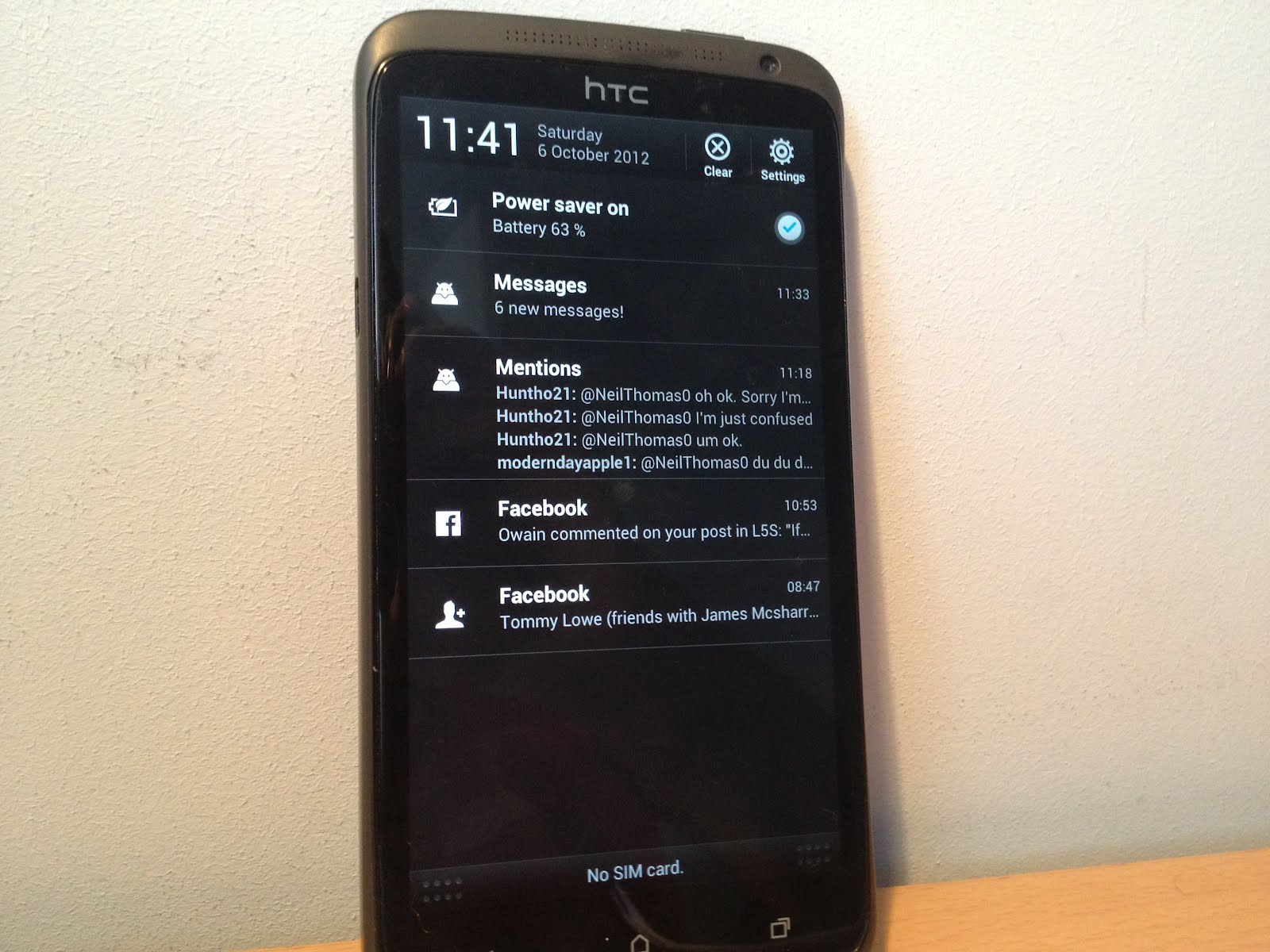
HTC really has fixed a lot with the new version of Sense. Most noticeably, the stuttering has been eradicated completely and utterly. I’m not completely sure whether this is down to the new Jelly Bean’s Project Butter or simply HTC’s optimisations, but it really doesn’t matter. Whatever they’ve done, it makes the phone a joy to use. Expandable notifications have been introduced too, bringing all sorts of new functionality to your pull down shade. The only problem with these is the slightly awkward two finger pinch gesture to open them up – something that is not present in stock Android. The keyboard is really a lot better than it used to be, nixing the pointless arrow keys at the bottom and adding altogether better feedback and responsiveness. My biggest annoyance with the One X has also been fixed – the menu button situation. It used to be that the One X did not have a hardware menu button, with a software version popping on screen as and when it was needed, wasting about a tenth of the screen real estate. With this update, TC has added the option in settings to reassign the multitasking button to menu. Holding down this button with this setting enabled will take you to recent apps, giving back the screen that was taken. Google Now, Android’s answer to Siri, has also been added, with a long press of the home button propelling you straight into the new voice search feature. While I don’t want to go as far as to compare it with Siri as they both perform different functions, I have to say the retrieval of data is snappier and the voice is not nearly as robotic.

The Bad

There isn’t really much that has become worse in Sense 4+. After all, it is an update: something supposed to make something else better, unless you are Apple.

The Ugly

There is a lot in this section, and while there is not as much as there used to be, the list of negative aspects of Sense only reinforce my desire to see stock Android being shipped on more than one phone a year. The first thing is the icons, which remain childish and displeasing to the eye. Compared to the polished look of iOS, Windows Phone and post-ICS stock Android, you realise how far behind such skins remain, and a little customisation with an icon pack goes a long way aesthetically. I still feel that the greens and whites of Sense clash with the deep blues and Tron-like lighting of Holo clash horribly, however certain elements appear pleasant and muted. Another thing that hasn’t been fixed is the lockscreen shortcuts, still default to the ones you have placed in your dock.

Conclusion

Overall, I think Sense 4+ is a great upgrade over Sense 4, making Sense a decent skin once again. It makes it smoother, faster, slicker and better looking while also tying in new functionality that you won’t necessarily find in a stock Android build. If you are a user of one of HTC’s One series phones, I urge you to upgrade to keep your sanity and enjoy the butter.

Facebook hits one billion monthly active users and likens itself to chairs in debut ad campaign

Fresh off the back of announcing that Facebook now serves a billion active users each month, Mark Zuckerberg’s firm also announced their first brand advertisement, produced with Portland-based ad agency Wieden & Kennedy. Set to be shown in 13 countries and translated to 12 languages, the 90 second spot, entitled The Things That Connect Us,  is described as a reflection of what Facebook stands for by W+K.

Facebook’s first commercial ever honors the everyday things that people use to get together and connect – things like chairs, doorbells, bridges, airplanes and Facebook.

Coinciding with the billion user milestone, the company also released a document of statistics regarding the site since launch. The threshold was passed on September 14th at 8:45pm BST, and the site has played host to 140 billion friend connections, 219 billion photos and 1.13 trillion likes, with over 600 million users frequenting from mobile platforms. With such large user numbers, the big challenge for Facebook is to turn this into a large revenue stream, but investors don’t seem entirely convinced – share prices are slipping further today as the slide away from the billion dollar IPO continues.

Via Adrianne Jeffries (Twitter)
Source Mark Zuckerberg (Facebook) | Wieden & Kennedy | FB Newsroom
Image Credit Eduardo Saverin (Facebook)

EE 4G LTE network to launch in UK on October 30th

After introducing themselves and their initial 4G plans to the UK last month, EE CEO Olaf Swantee today confirmed that the nation’s first LTE network will go live on October 30th. The network will initially become active in Birmingham, Bristol, Cardiff, Edinburgh, Glasgow, Leeds, Liverpool, London, Manchester and Sheffield, and service will expand to Belfast, Derby, Hull, Nottingham, Newcastle and Southampton before the year is out. From that point, their ambitious rollout plans expect to have 70% of the country covered by the end of 2013, with this figure increasing to 98% a year later, matching their current 3G footprint. Device-wise, 7 compatible phones and 2 mobile broadband devices have had compatibility confirmed. These are:

Pricing and availability for these devices have yet to be confirmed, but the press release also confirms a forthcoming event where full details will be announced. As for customers who have already purchased the iPhone 5 from T-Mobile or Orange, they will be able to switch networks at launch.

Press Release

Statement to be attributed to Olaf Swantee, CEO, EE

We are delighted to announce that the official launch of our new customer brand, EE, offering the UK’s first superfast mobile 4G and fibre broadband service, will take place on the 30th October 2012. This is a significant milestone for the United Kingdom, and for the people and businesses of our country who will now be able to enjoy the huge advantages of superfast 4G technology for the first time. We are very proud to be pioneering, innovating and leading our industry in launching 4G for our nation through our new EE brand.

Notes to editors:

1. EE will be releasing invitations to a press event shortly to announce full details of its new brand and exciting new superfast services.

2. EE will be the first brand in the country to offer a mobile 4G LTE service, the pioneering new technology that offers superfast mobile internet at speeds typically five times faster than 3G speeds today.

3. EE will launch 4G in ten cities on the 30th October, and will cover 16 cities – a third of the UK population – by the end of the year. Customers on the EE brand will also have access to the biggest and best 3G network in the UK. Further towns, cities and rural areas, will follow rapidly with coverage to reach 98% by 2014.

4. 4G technology provides indoor and outdoor coverage for superfast web browsing.

5. EE’s 4G services will be available on a number of exciting handsets including the iPhone 5, Samsung Galaxy S III LTE, Nokia Lumia 920, Nokia Lumia 820, HTC One XL and the Huawei Ascend P1 LTE.

Via The Verge
Source EE Newsroom