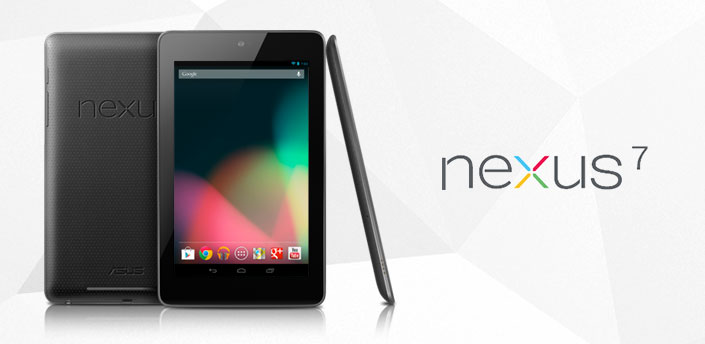
Android 4.1.2 begins to roll out to Nexus 7 tablets

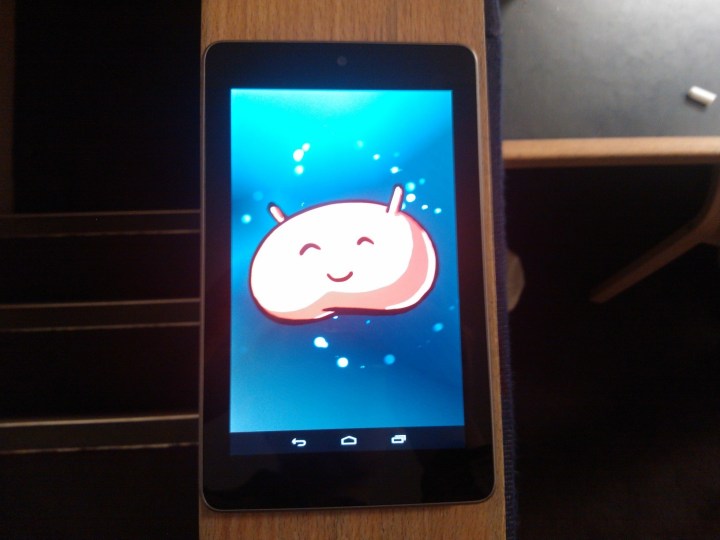
A minor update to Android 4.1 has begun to roll out to owners of Google’s Asus-built Nexus 7 tablet, with unspecified bug fixes and a much-desired landscape mode for the launcher as its main features. An Australian EE Times reader has received the 31.3MB update and while we have yet to see the update come through to our device, the update push is expected to continue across the globe throughout the day and it is recommended that you furiously check for updates throughout the night.

Via The Verge
Source EE Times

Google Nexus 7 and Nexus Q leak before I/O keynote

Just minutes ahead of Google’s I/O keynote, images and videos of two oft-rumoured products have surfaced, leading to virtual confirmation that they will be announced later today at the Moscone Center in San Francisco.

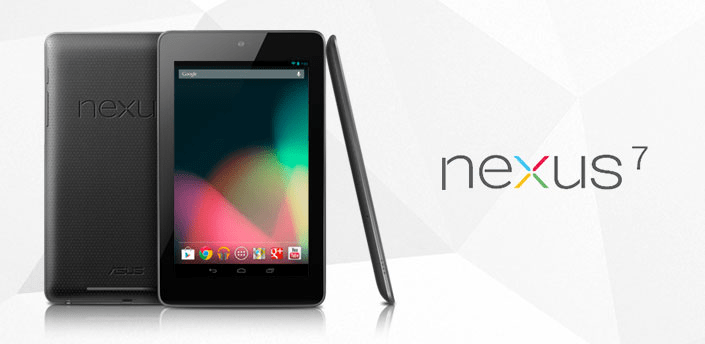
As previously reported on, the Nexus 7 tablet is a 7″ Asus-built slate sporting a Tegra 3 chip from Nvidia, a 1280 x 800 IPS display with Gorilla Glass, 1GB of RAM and an attractively low price tag of just $199 for a 8GB model, while the internal storage can be doubled for another $50. Android Police dug this image up directly from the Google Play servers, so this is our first real look at the bezel tablet and Android 4.1 aka Jelly Bean. We will bring you more information when we get it tonight from Google’s keynote.

Additionally, Droid Life has some info about the Nexus Q, which seems to be a social streaming media player that various devices can connect to as long as they run Android 2.3 or later. It is set to cost $299 and, along with the Nexus 7, it is set to ship in 2 to 3 weeks in the US only.

Nexus 7 Addendum

The following paragraphs only apply if you purchase a Nexus 7.

The Nexus 7 has built-in Wi-Fi. You are solely responsible for obtaining internet connectivity through an internet service provider as the Nexus 7 does not support mobile connectivity.

In order to use the Nexus 7, you understand that you will need your own 802.11a/b/g/n access point Wi-Fi router.

The Nexus 7 is manufactured by ASUSTeK Computer Inc., whose principal place of business is at ASUSTeK Computer Inc., Nr. 15 Li-Te Road, Peitou, Taipei 112, Taiwan (“ASUS”).

ASUS provides a limited warranty for the Nexus 7. Please refer to the warranty card in the Nexus 7 package or ASUS for details on the ASUS limited warranty.

Nexus Q Addendum

The following paragraphs only apply if you purchase a Nexus Q.

You understand that the Nexus Q currently supports only Google Play Music; Google Play Movies and TV; and YouTube, and that your use of those services is subject to the Google Play Terms of Service.

The Nexus Q has built-in Wi-Fi and a built-in ethernet controller. You are solely responsible for obtaining internet connectivity through an internet service provider as the Nexus Q does not support mobile connectivity.

In order to use the Nexus Q, you understand that you will need your own: (i) phone or tablet running Android 2.3 (Gingerbread) or higher with access to Google Play; (ii) compatible speakers, AV system or HD TV; and (iii) 802.11a/b/g/n access point Wi-Fi router.

Google provides a limited warranty for the Nexus Q. Please visit this link for more information.

The sorry state of Android updates

With Samsung’s announcement that Galaxy S II owners will not in fact be getting their Ice Cream Sandwich updates today as previously stated by one of their websites, the age-old discussion regarding Android updates, skinning and fragmentation has returned to the fore. Android 4.0, codenamed Ice Cream Sandwich and referred to as ICS, was confirmed on way back on October 15th of last year, the same day that this very website launched, yet now, almost 5 months later, only a small handful of devices from major manufacturers have either launched with or been updated to Google’s latest and greatest operating system. Why is this the case, and what can be done to help the situation?

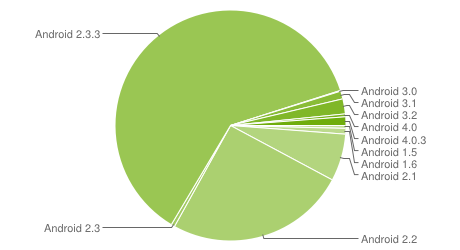
Take a look at this graphic, taken from the Android website, which shows the versions of Android which have accessed the Android Market Google Play in the two weeks leading up to March 5th.

Just 1.6% of Android devices are running the latest version of the software. A comprehensive list of devices that have either shipped with or been officially updated to Ice Cream Sandwich is below. Please note that this does not include devices that have been announced but not shipped.

  • Archos G9
  • Asus Eee Pad Transformer
  • Asus Eee Pad Transformer Prime
  • HTC Sensation
  • HTC Sensation XE
  • Motorola Xoom
  • Samsung Galaxy Nexus
  • Samsung Nexus S

Firstly, some of the blame has to be placed on Google. The OEMs do not get access to the source code until it is publicly released, with the exemption of the partner making the flagship Nexus device, such as Samsung’s Galaxy Nexus, announced alongside Ice Cream Sandwich at a press conference in Hong Kong last year. While Google should want the Nexus phones to succeed and have an advantage over other handsets on the market at the time of release, I believe that major manufacturers such as HTC, Sony, Samsung and Google’s own subsidiary Motorola should get early access to the source code, so that handsets and devices can get the latest software promptly after it is unleashed upon the world. It is wrong to go into a store at this stage and see just one device, the Galaxy Nexus, sporting up-to-date software.

We must never forget the manufacturers themselves, as they too delay updates for a number of reasons. Firstly, they already have your money and, as such, there is little benefit to them if they spend time and money preparing software updates for phones. This raises a whole load of questions regarding the state of customer service in the 21st century, but those are for another day. An example of this kind of neglect is Samsung, with the Galaxy S. Late last year, the Korean company confirmed that they would not update the phone, the second biggest selling Android device of all time, to Ice Cream Sandwich. Their excuse? TouchWiz and Ice Cream Sandwich can’t live together on the ROM. Why not just get rid of the crappy skin which users hate?

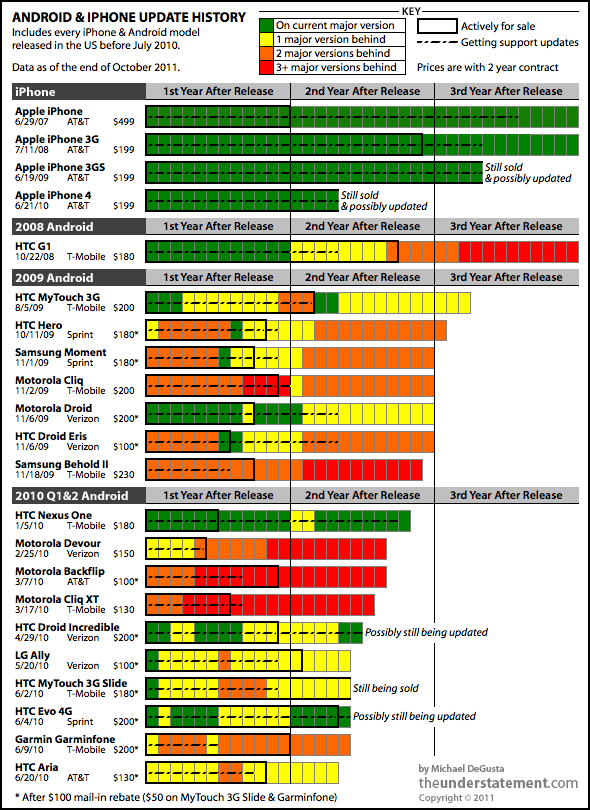
Of course, manufacturers feel that they have to stick their bloated skins on top of Android, and updates get delayed to ensure that this is the case. Take LG for example. At Mobile World Congress 2 weeks ago, they unveiled a host of new Android devices – the Optimus L3, Optimus L5, Optimus L7, Optimus 3D Max, Optimus 4X HD and the Optimus Vu phablet. Of these, half are scheduled to launch with Gingerbread, and only the L7, L5 and 4X HD are guaranteed to have Ice Cream Sandwich. As for the rest, LG issued a vague timeframe for updates of later this year. Considering that they have no plans to update their existing phones until Q2 or even Q3 at the earliest, I wouldn’t hold out much hope of this ever happening. If such an update actually does come, the community will probably have Jelly Bean stable on the handsets. LG’s excuse? A combination of the skin and the fact that they seemingly don’t care about consumers – a statement that can be applied to almost all Android manufacturers. This infographic, made last year by Michael DeGusta of The Understatement, shows just how slow these updates can be, especially compared to iOS.

Across the internet, I have seen people complaining about the update situation, only to be told to buy a Nexus phone and have all their problems solved, but this argument is ridiculously stupid. The beauty of Android is the wide variety of handsets, tailored to suit every need. To be told that, in order to be certain to get the latest software officially, you have to buy a certain device, takes away this beauty. If I wanted that kind of situation, where I no choice in form factor in exchange for a guarantee to get updates, I’d buy an iPhone. Take the Galaxy Nexus, for instance. At 4.65″, it is way too big for me. I think the design is horrible in comparison to some other smartphones, the rear camera is, for such a high-end device, sub-par for the course, and Samsung’s incessant use of flimsy plastics mean that I would never even consider buying one. If I want to get an Android phone with almost a guarantee of an update however, I have no other choice. This is not on.

Even if I were to jump on the Nexus bandwagon, I still wouldn’t be 100% certain of updates. Certain Nexus S owners are still waiting for Google and carriers to push the ICS update to their devices, even though most GSM variants of the phone got the update to 4.0 back in December. We must not forget the Nexus One either. The HTC device was Google’s first flagship and, despite the fact that the Android community can do it, Google has announced that they do not plan to push an ICS update to the handset which is still less than 2 years old.

So, until the day comes where updates are prompt and ensured, I will not buy an Android phone or tablet. I know that there are other ways of getting updates, but manufacturers and carriers should have a duty to ensure that devices are kept up-to-date for at least the standard contract length of 24 months. And finally, before you dismiss this whole post as pure trolling of Android, I am an Android user and I am still waiting for Gingerbread. If HTC doesn’t care about an 18 month old phone, why should I?

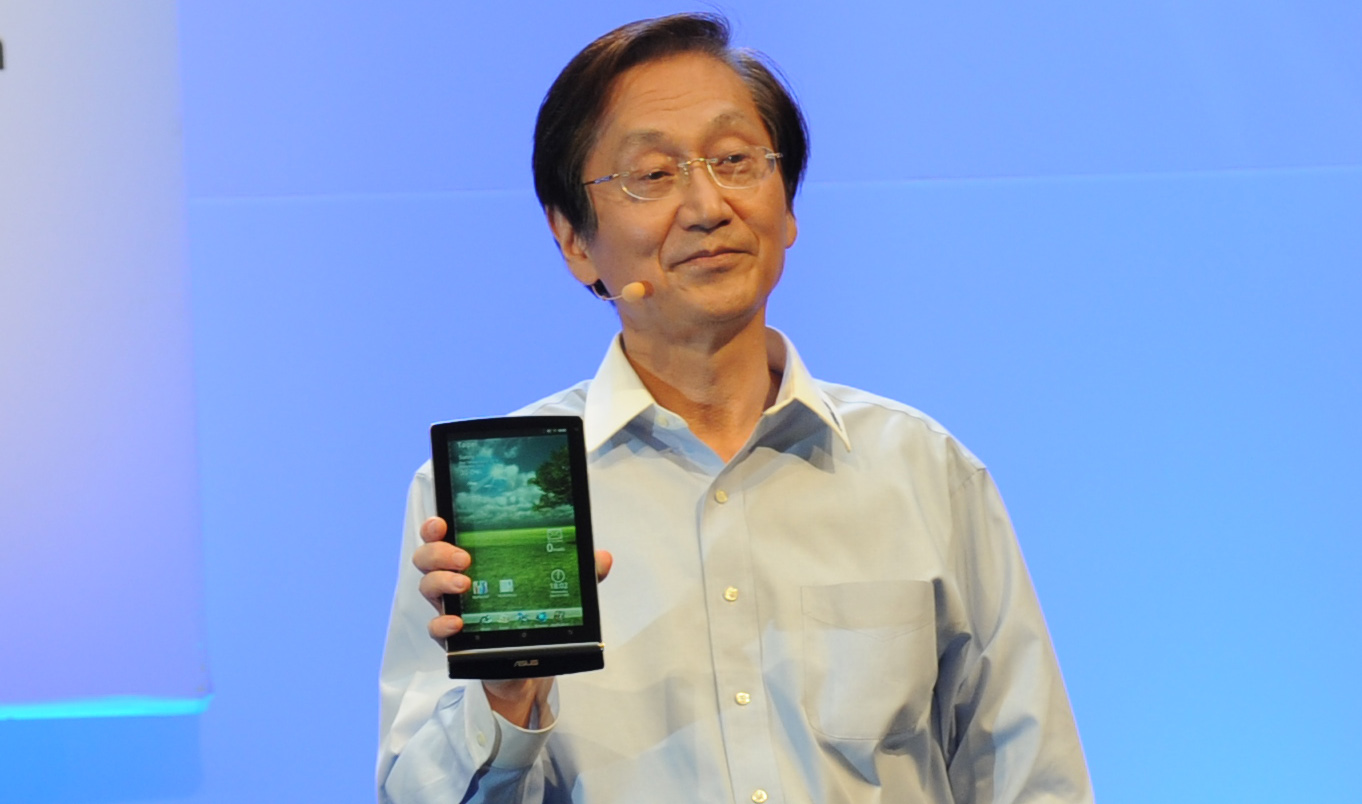
Asus Eee Pad MeMo to become the Nexus tablet?

The £157 quad-core 7″ Asus Eee Pad MeMo, which made its debut at CES, could become Google’s first Nexus tablet according to a report by Techland.
.

Motorola (re)build on the RAZR line with MAXX, Droid 4 and purpleness

Sorry for the lack of posts but the start of a term doesn’t mix well with CES for a teenage blogger. We will get through the big stuff this week but it may take time!

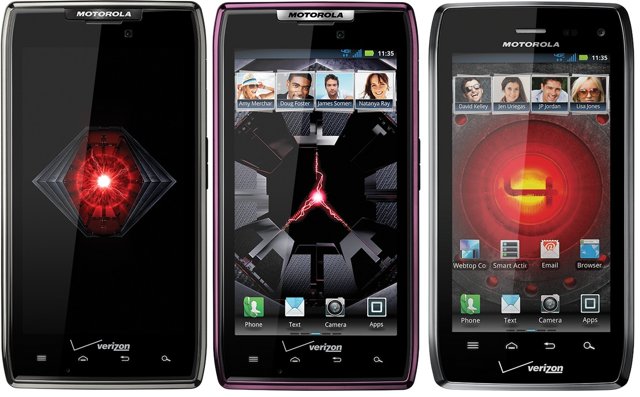
At CES, Motorola announced 3 new devices based on the RAZR, a phone that is officially as old as Digixav. While it seems unlikely that they will ever hit the UK as none are featured on the Motorola website, it gives us an excuse to look at the phone that narrowly lost out on our Best Design Award. Despite it’s godawful screen that somehow manages to look bad in adverts.

On the left, we have the RAZR MAXX. As the name suggests, this is a RAZR that is fatter and equipped with a bigger and better battery of 3300mAh. This gives you (supposedly) 21 hours of talk-time and 6 hours of LTE video streaming. It is 8.99mm thick and is otherwise a bog-standard RAZR. This is coming soon for $299 with a 2 year plan.

In the middle, we have the purple RAZR. It is a RAZR. It’s purple. Along with the cut-price white and black models, this will be $199 on contract.

On the right, we have the Droid 4. It’s like a 4 inch RAZR with a sliding QWERTY keyboard and 4.6mm thicker. It’s what the Droid 3 should have been. Like how the heavily delayed and redesigned Bionic is a fat RAZR. The Bionic is like the RAZR MAXX, but with a worse battery. Pricing is currently unannounced but it’ll probably be $249.

All of these phones are Verizon exclusives in the USA and have ‘4G’ LTE, the same internals as each other, splash-resistant nanocoating and Motoblur as a skin. If you are in America and feel the need for Android, forget these and get a Galaxy Nexus. Or get a Windows Phone on AT&T. Made by Nokia.

The Poll: What is the best smartphone at the moment?

I love Nexus

Apologies for not being with the liveblog, I had an… altercation.

Anywho, the Samsung Galaxy Nexus. It is beautiful. While maybe not as thin as the Motorola RAZR, it still packs some key features.

Continue reading →

Samsung Galaxy Nexus/Android 4.0 Ice Cream Sandwich first impressions (Update: ICS updates, pricing announced)

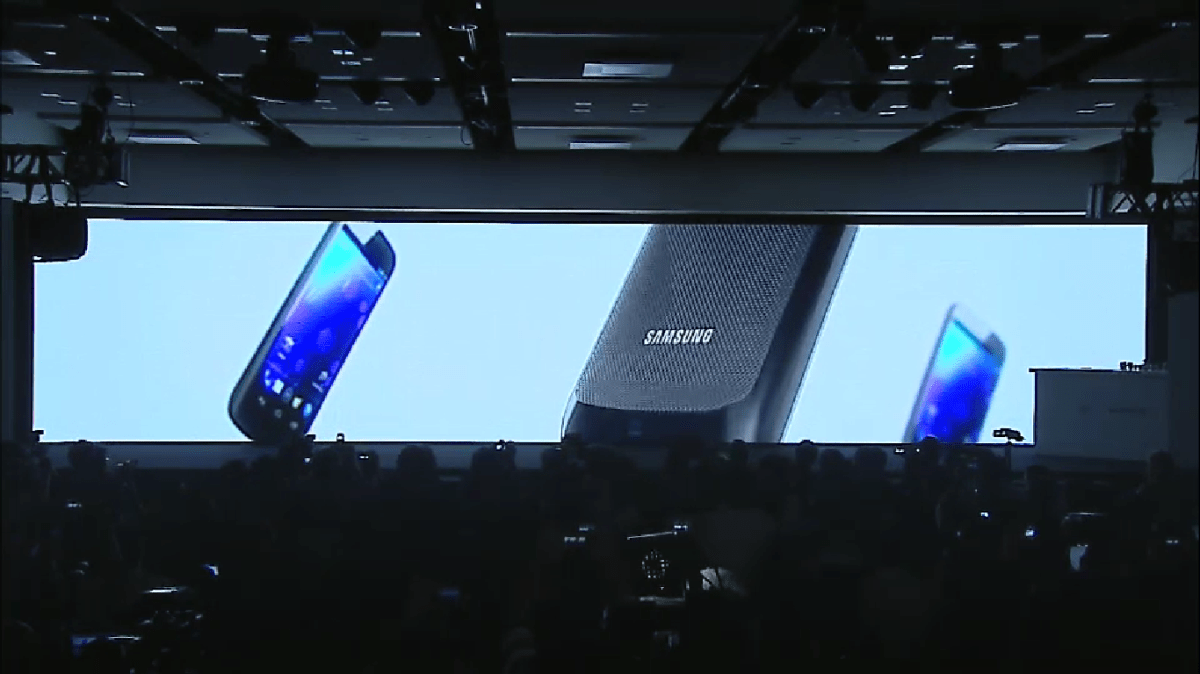
The keynote is over, the Samsung Galaxy Nexus is official and Ice Cream Sandwich finally has a version number, but how does it all look?

Firstly, the phone. The Super AMOLED HD 1280 x 720 16:9 screen sounds fantastic, even if at the mahoosive size of 4.65 inches. The 8.49mm deep handset houses a full gigabyte of RAM, a 1.2GHz Texas Instruments dual core chip and 2 cameras. The 1.3MP front shooter is standard fare but one expects better than a 5MP lens on the back, especially in comparison to the fantastic cameras on the Samsung Galaxy S II, Nokia N8 and of course the iPhone 4S. An NFC chip is incorporated for Android Beam tap-to-share and of course Google Wallet whenever it launches on this side of the pond. The phone will ship with Android 4.0 and will come in both LTE and HSPA+ variants, depending on location and demand. No pricing has been announced, but NTT DoCoMo will be carrying the phone in Japan along with it being another Verizon exclusive stateside if earlier leaks are to be believed.

Continue reading →

Samsung/Google Ice Cream Sandwich/Galaxy Nexus keynote Liveblog

Well today is the day that Samsung and Google are set to hold a delayed keynote in Hong Kong. We’ve seen the Ice Cream Sandwich Android on the invite and plenty of Galaxy Nexus leaks, including on Samsung’s own site. But Chris, Henry and I will be liveblogging on this very page at 3am BST to let you know what is happening – if you are awake. We have Pepsi and chocolate to get through this so here goes!

Continue reading →

BREAKING: Galaxy Nexus leaks on Samsung site (Update: with picture)

The Samsung Galaxy Nexus has leaked on the Samsung site just 3 hours before it’s expected announcement. The leak details that it will be available on Verizon in the USA and the picture of the phone itself matches an earlier leak from Japanese network NTT DoCoMo. Have a look for yourself at the link past the break.

Continue reading →